
When the Reminder Isn’t Enough: Teaching the Executive Functioning Skill Underneath the Behavior
“I need you to focus.”
“Let’s get started.”
“Take a minute and check your work.”
“Think about what you’ll need before you begin.”
These are reasonable things to say to students. I’ve said all of them countless times across nearly three decades in education.
But experience has taught me to pay particular attention to what happens after the reminder.
If the student begins, wonderful. The prompt was enough.
But when the same student continues to stare at the blank page, loses the directions halfway across the room, repeatedly misplaces materials, or unravels when the plan unexpectedly changes, another reminder may not be what is needed.
At that point, the more useful question becomes:
What skill is making this difficult?
That distinction matters.
We Often Name the Outcome Before We Teach the Skill.
Schools have always asked children to focus, organize themselves, persist, remember directions, manage time and adjust when circumstances change.
What has changed is our understanding of the mental processes involved in doing those things.
The Harvard Center on the Developing Child describes executive function and self-regulation as the mental processes that allow us to plan, focus attention, remember instructions and successfully juggle multiple tasks.
In other words, many of the behaviors adults care deeply about in school depend upon skills that are still developing.
That doesn’t mean expectations disappear.
It means we get more precise about helping students reach them.
After years of watching educational pendulums swing - from one intervention, program or philosophy to another - I’ve become increasingly convinced that some of our most useful shifts are not actually about adding more.
Sometimes they are about seeing differently.
Behavior Gives Us Information
Consider a student who is capable of completing an assignment but simply cannot seem to begin.
We could repeat:
“Get started.”
Or…we could become curious about task initiation.
What is making the first step feel inaccessible?
Could the assignment be broken into one visible action?
Open the document.
Write your name.
Answer the first question.
That small change is not lowering the bar. It is teaching the learner how to approach the bar.
The same thinking applies elsewhere.
A child repeatedly forgetting multi-step directions may benefit from externalizing working memory rather than being reminded to “listen more carefully.”
Affiliate disclosure: As an Amazon Associate I earn from qualifying purchases. Some links in this article are affiliate links, at no additional cost to you.
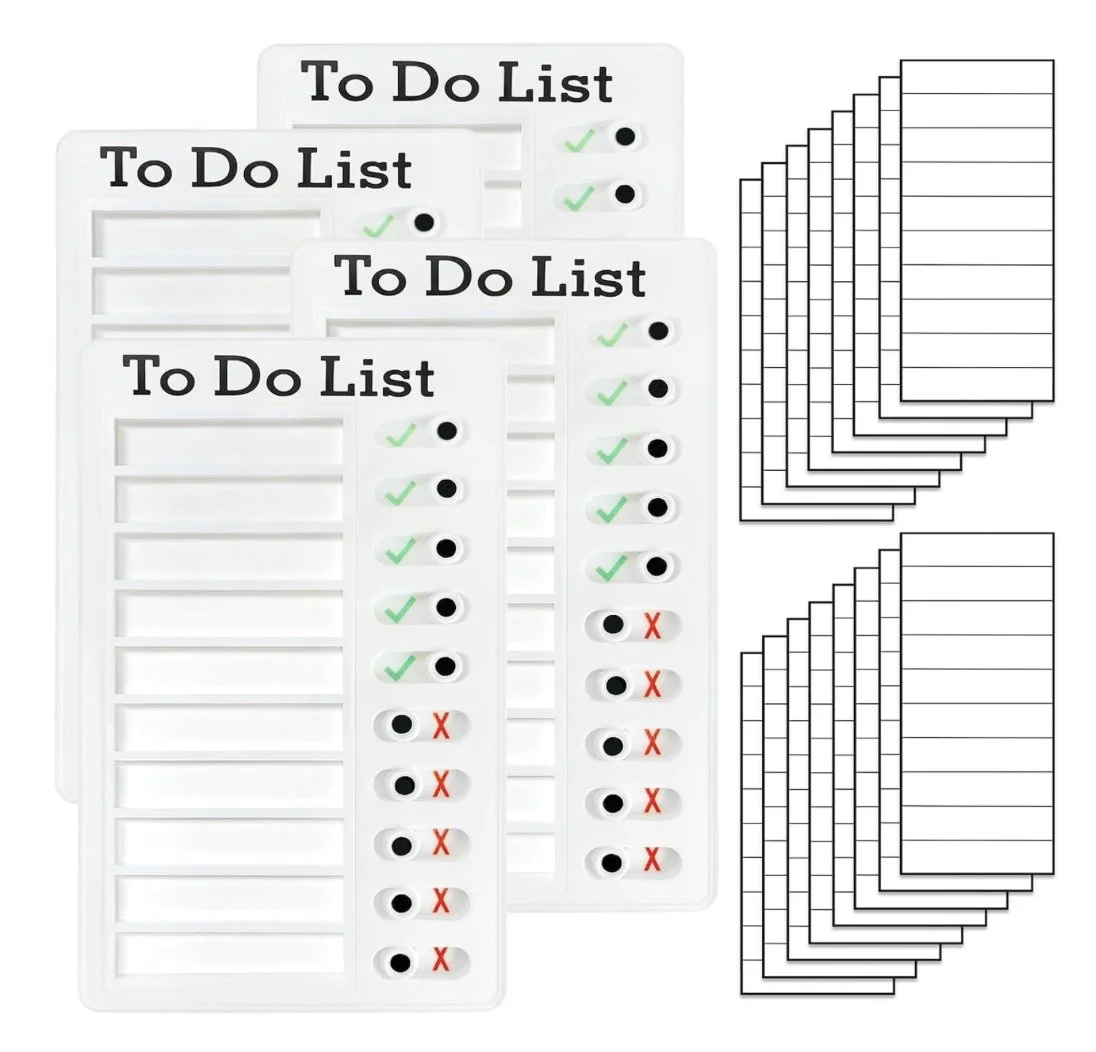
A small dry-erase board or simple Reusable To Do Checklist can give information somewhere to live besides inside the child's head.
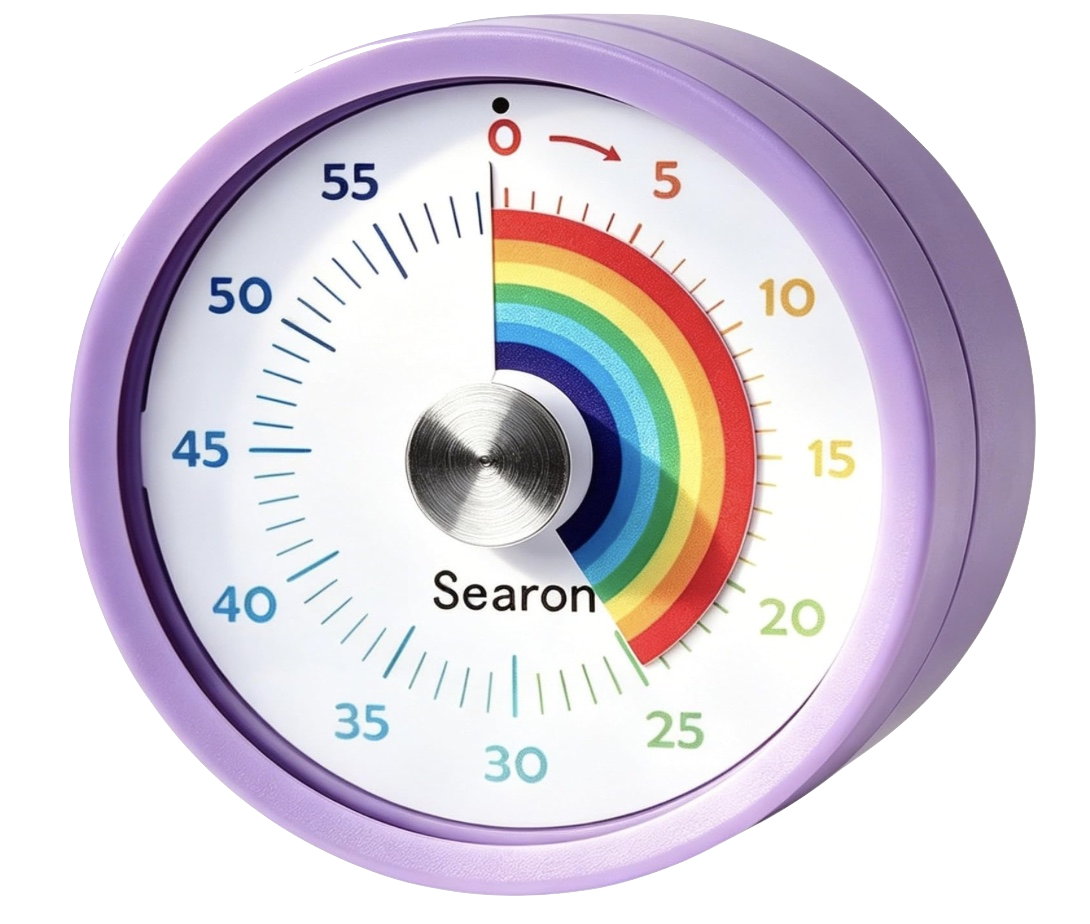
A student who consistently underestimates how long something will take may benefit from making time visible with a visual timer.
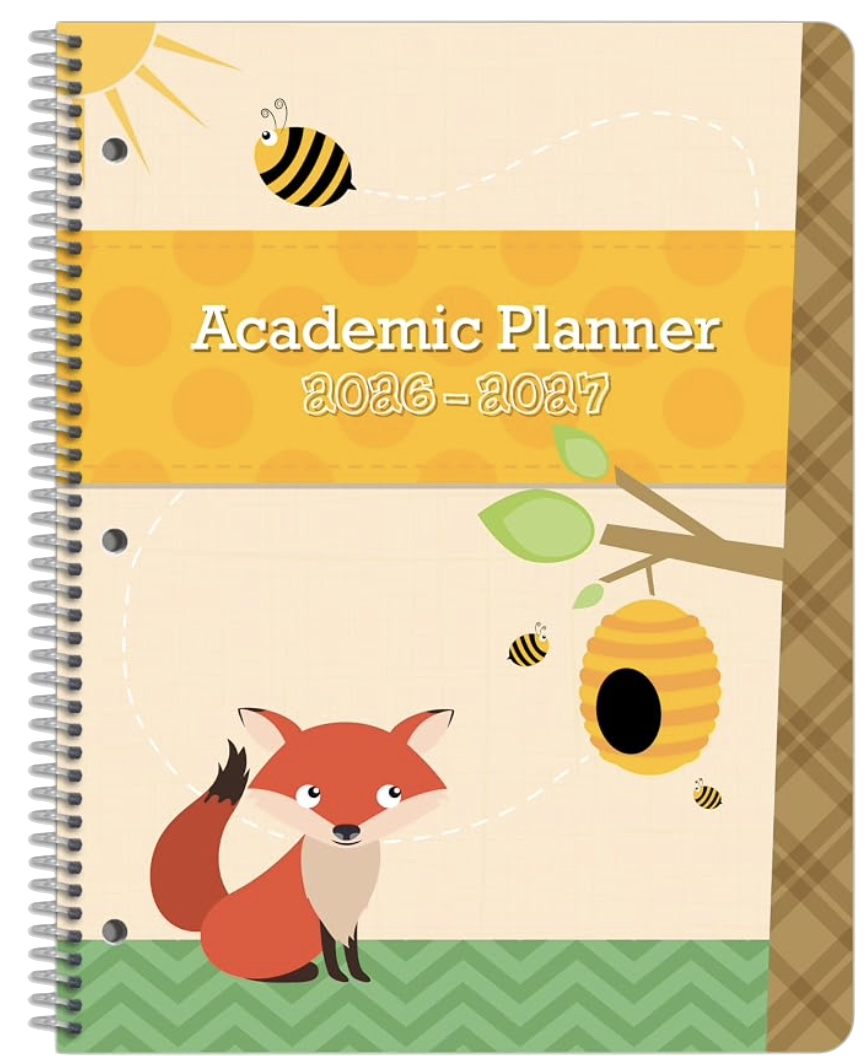
And a learner whose desk or materials continually become unmanageable may need an actual organizational system—not simply another reminder to “be organized.” Academic planners, resource binders, storage bins are a few examples of how you can equip students with both knowledge AND the tools to be successful so you don’t just talk about or around an issue but provide supports.
The object itself isn't the intervention.
The important part is identifying which executive-functioning demand is causing friction and then giving the learner a strategy for navigating it.
From Correction to Investigation
This is the thinking that led me to create the MajerEd® Executive Functioning Toolkit™.
I wanted educators to have a framework that helped move the conversation from: What is this student doing?
toward: What skill might this student need help developing?
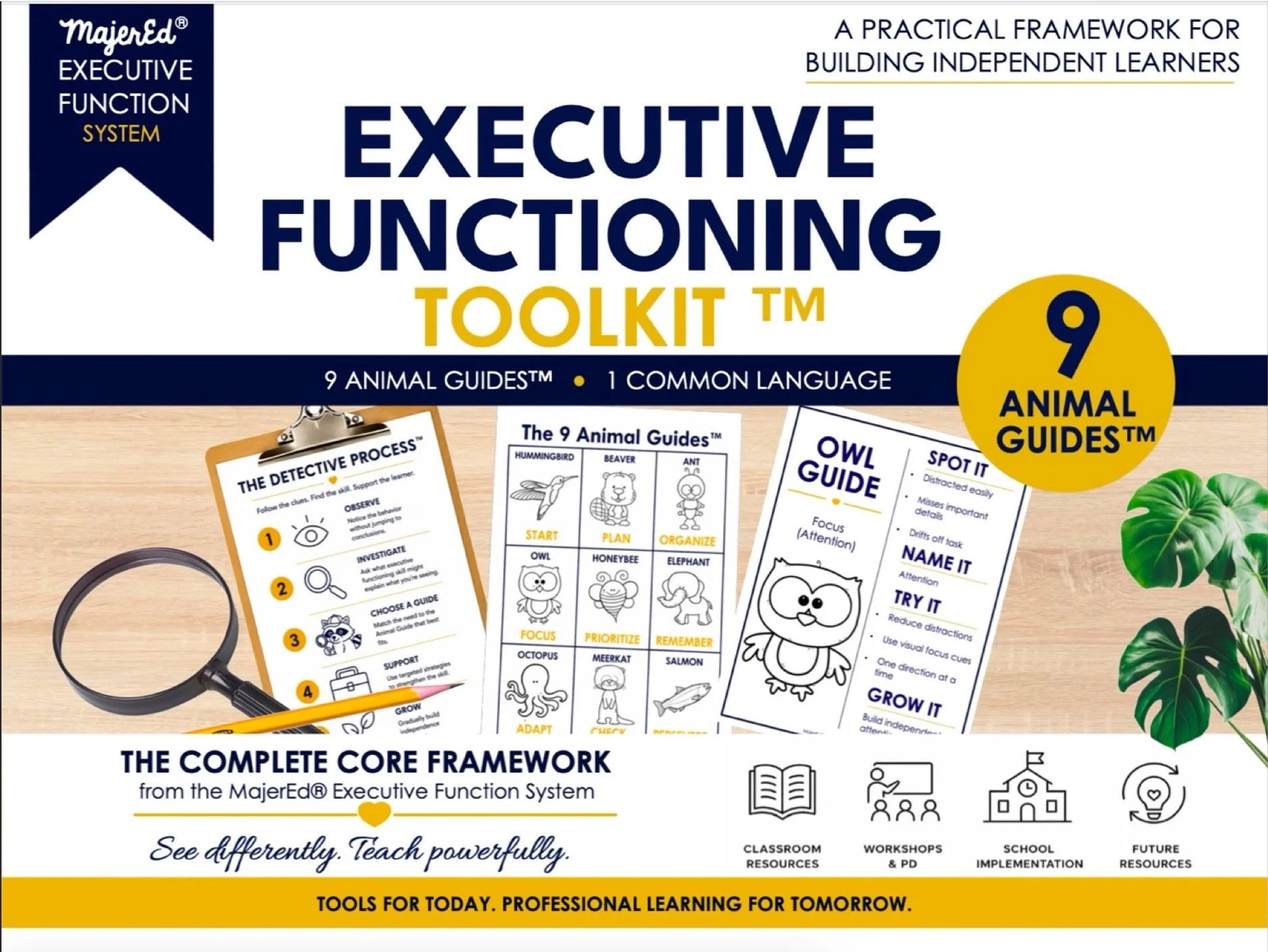
The framework organizes nine executive-functioning skills into memorable Animal Guides and gives educators a process for noticing behavior, investigating what may be underneath it, choosing an appropriate support and gradually helping students become more independent.
Explore the MajerEd® Executive Functioning Toolkit™ →
9 Executive Function Animal Guides™. One shared language for helping students Start, Plan, Organize, Prioritize, Remember, Check, Adapt, Persevere and Focus.
The Goal Is Independence
This is ultimately the piece I care about most.
We do not want students who become extraordinarily good at waiting for adults to remind them what to do.
We want students who gradually begin to notice:
I haven’t started. What could my first step be?
I’m losing track of these directions. I need to write them down.
My plan changed. What can I do instead?
That shift does not happen because adults stop setting expectations.
It happens when we help students understand and practice the skills that make those expectations increasingly possible.
Because independence grows when we teach the skill, not just repeat the expectation.
If you want to learn more about Executive Function Skills, classroom management skills, and more, be sure to bookmark this website and come back for more as there is more to come with the Framework this fall. You can also find information on TikTok and Instagram by searching MajerEd.
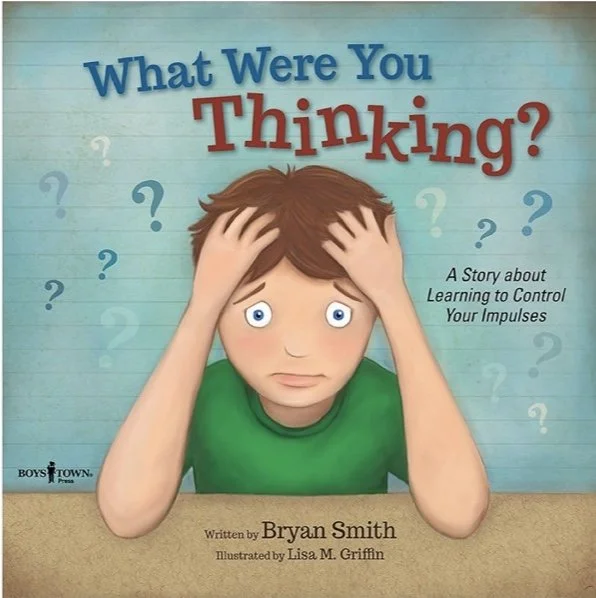
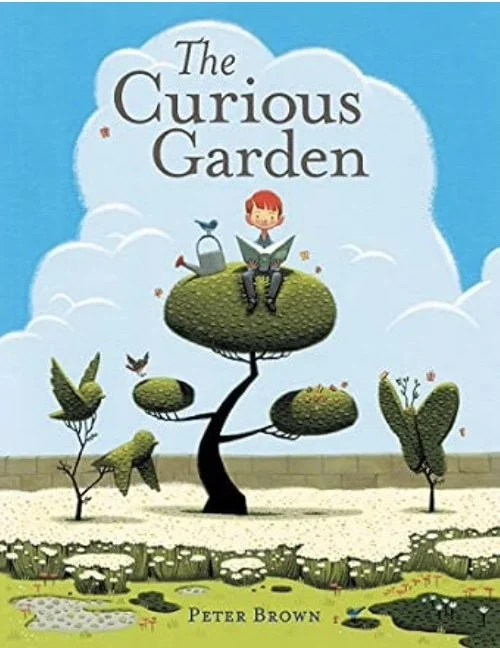
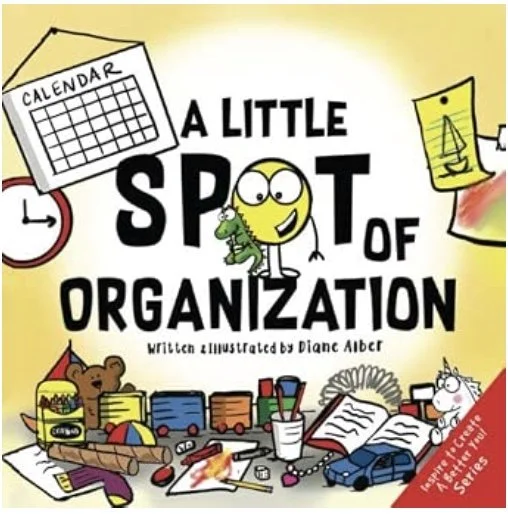
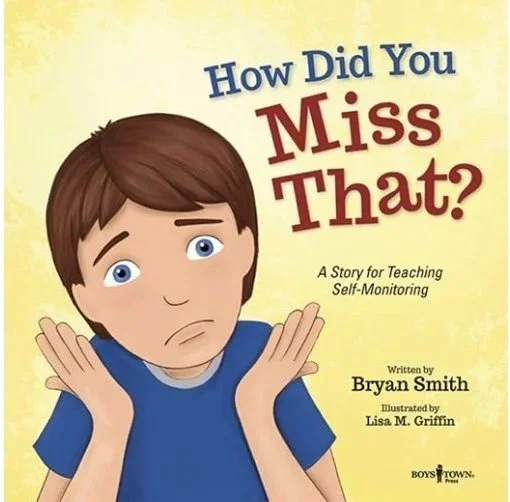
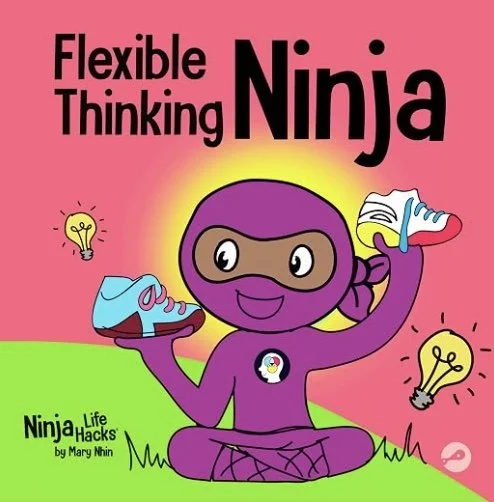
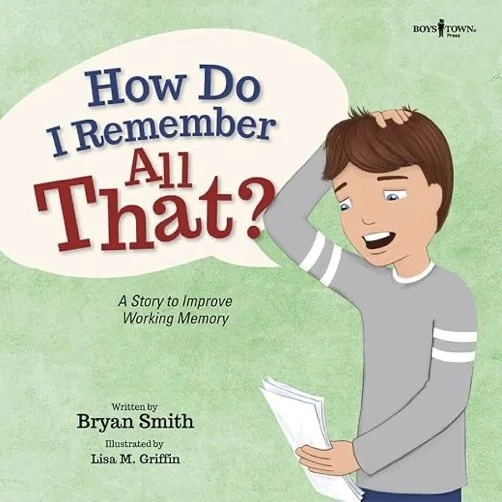
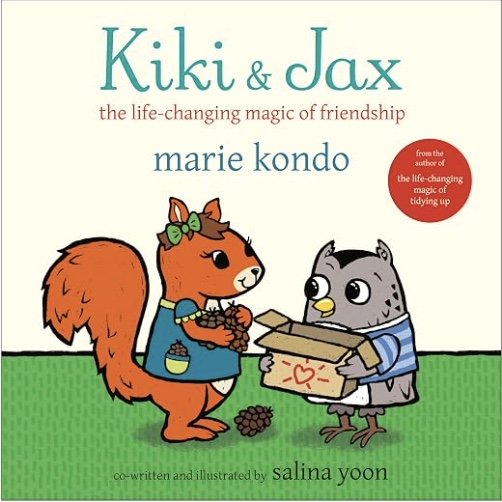
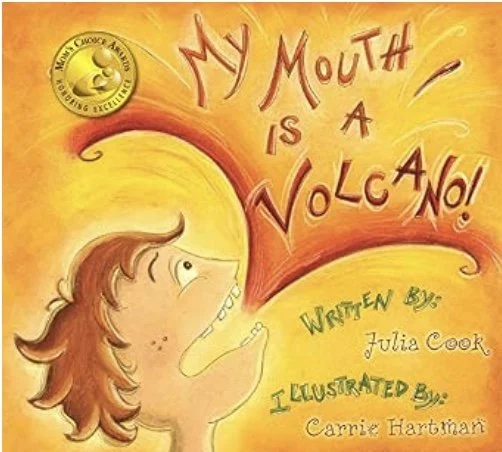
Finally, if you are looking for books to add to your classroom to bring understanding to the needs of others and to help build a community of compassion and a sense of belonging, click on the images below to see some of the books I recommend.